

The beginning of the XXth century poses a certain problem for content receivers of XXI century – readers and gamers. With human’s limited capability of grasping the intricacies of the past ages, we often tend to identify the desired period with historical or cultural events of the said era. For example, 1863 is a period of civil war in the U.S.A, January Uprising in Poland, so it’s easy to understand the events and climate surrounding Jules Verne’s “Twenty Thousand Leagues Under the Sea” (a fun fact: the initial version of captain Nemo was : he was a Polish freedom fighter that wanted to kill Russians- that’s why the January Uprising is so important here, but the publisher told Verne that it would pose certain problems with publishing of the book, so he changed Nemo to be a son of Indian Raja), or some works of Ralph Wardo Emerson or Mark Twain. It’s easier to envision the era for the readers also, because we carry with us a lot of metadata: ranging from TV depictions of the American Civil War to paintings. It’s kinda easy for us to envision an English victorian era with all that British Empire glamour, and it’s kind of easy for us to see the slender girl with a pearl chord necklace, bobcut hairstyle dancing charleston of the 1921.
But between 1899 and 1921 there was a completely different era there, with different fashion, culture and mindset, completely overturned by a Great World War of 1914-1918. This is the era where culture, fashion, literature also were on the battleground – where Old World of feudalism and aristocracy was clashing the democratic (and fascist…) new world. In other worlds there’s a gap there that could explain how this:
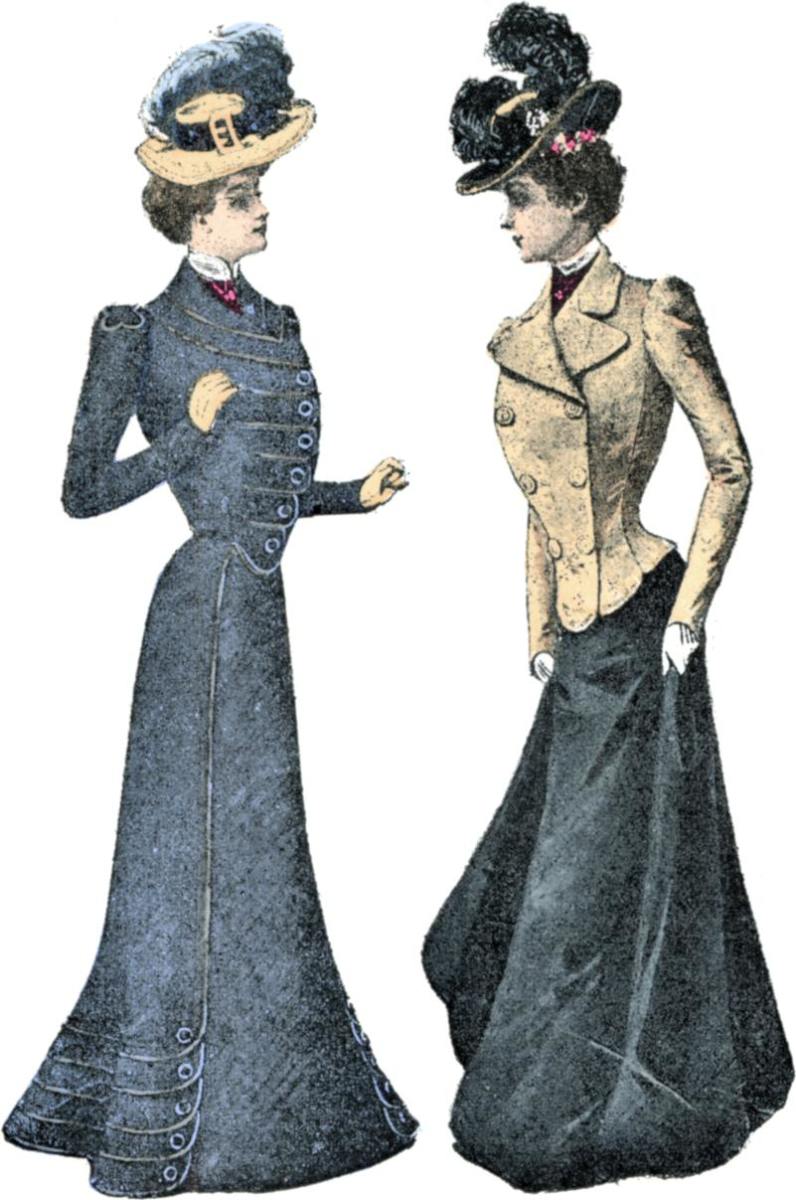
became this in no more than 20 years:

“The Lion’s Song” helped me greatly in this process. The plot evolves around three artists of the era, on the brink of their world coming to an end (WWI), people that make the difference but still delving in both: old and new worlds. These are: a violinist, struggling with a creative block and having a scandalous affair (as judged by the era’s morals…), the painter, who wants to discover the missing psychological element of his works, and a female mathematician, with brilliant mind, but in chauvinistic male world that doesn’t want to believe woman can be better than man. All these fates are placed in the capital city of Vienna – the playground of the Austrian nobility and one of the cultural capitals of Europe.
Have you seen the “Grand Budapest Hotel” movie with Ralph Fiennes? It’s based on the works of Stefan Zweig, the Austrian author depicting the old imperial Austria in his works, the nostalgia of the old, no longer existing world, that for some reasons has great appeal to us in the XXIst century – with it’s morals, demeanor, refined tastes, subtlety. You can expect the same from “The Lion’s Song”
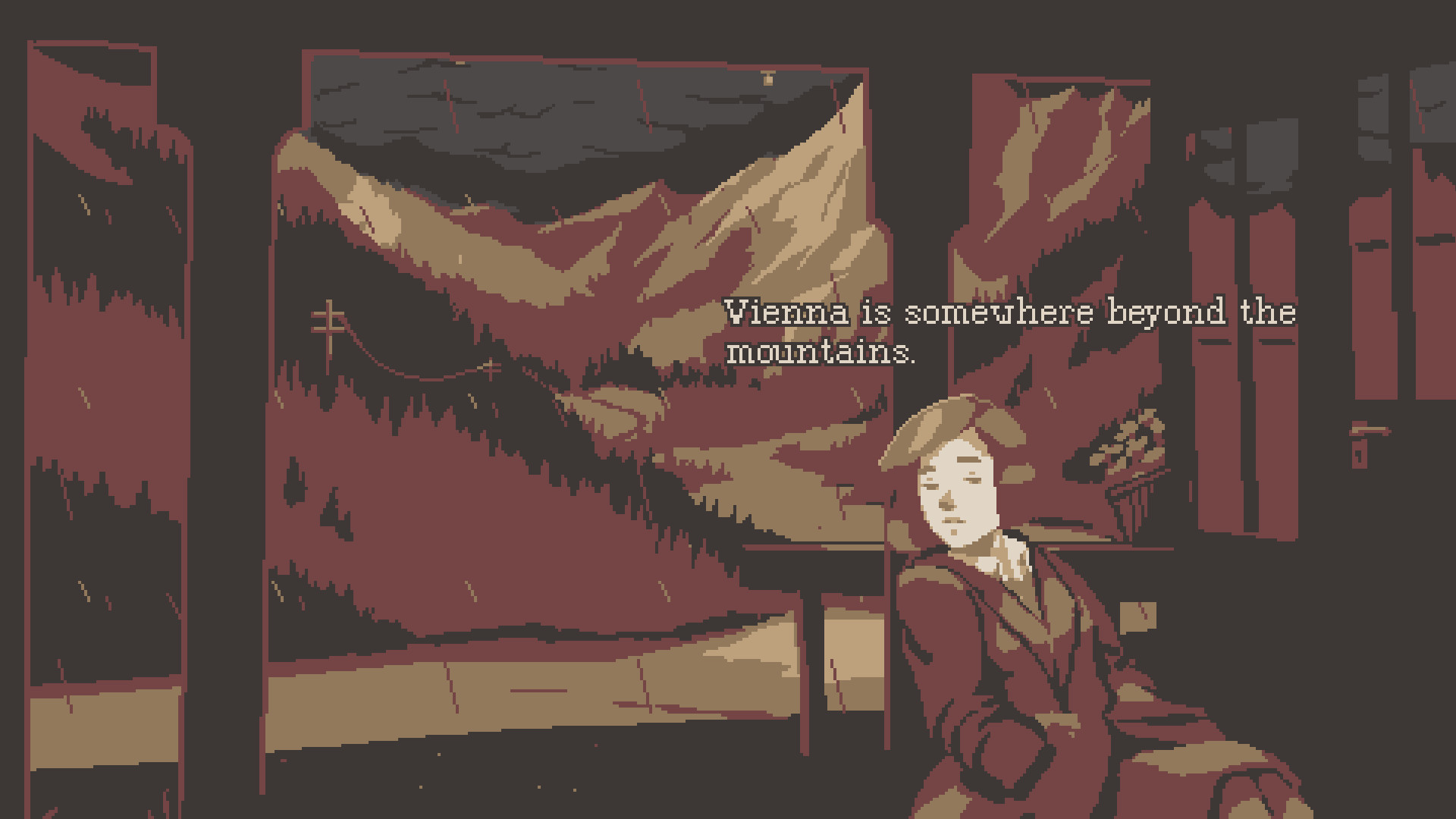
The game is an overture – all three fates intertwine, though not directly, and choices do matter – the results of player’s actions lead to the grand conclusion in the 4th act. This is one of the three areas this game truly shines in: composition that shows how culture impact the lives of a common man, how it allows us to survive in the perils of human history – the said historical events mentioned by me above. The second area of brilliance is emotions – the game is able to present a very complicated themes and topics in a grasping and understandable manner, e.g. like the feeling of solitude of the artists overhelmed ith nostalgy.

While we’re at it- nostalgia is probably one of the hardest things to depict in literature and storytelling, that’s why Proust’s works are so excellent – he’s a master of the art.
Third area of excellence is the audiovisual layer. Sepia colour palette used gives the impression of an old photograph, yet is sharp and allows to feel the environment. Music, being the part of the story after all, is brilliant and enhances experiences of dialogues and monologues magnificently.
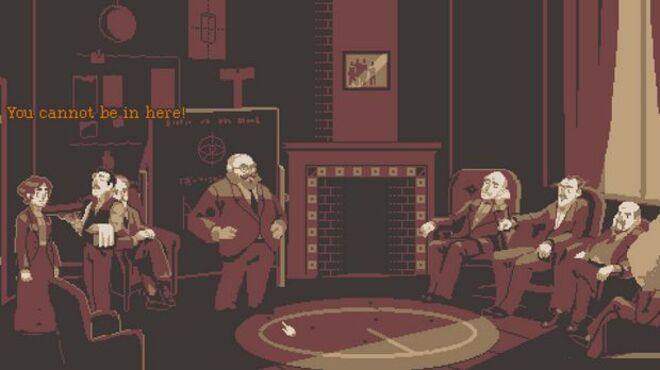
All things combined, the game is a marvelous trip one hundred years to the past, to the era of Marcel Proust and others, unknown titans of the world of tomorrow, the shapers of culture of today. I cannot recommend it enough.
Playing this game gave me the feeling of a caged pigeon suddenly released into the air with a rapid opening of the cage. How about that?











 Amazing Worlds